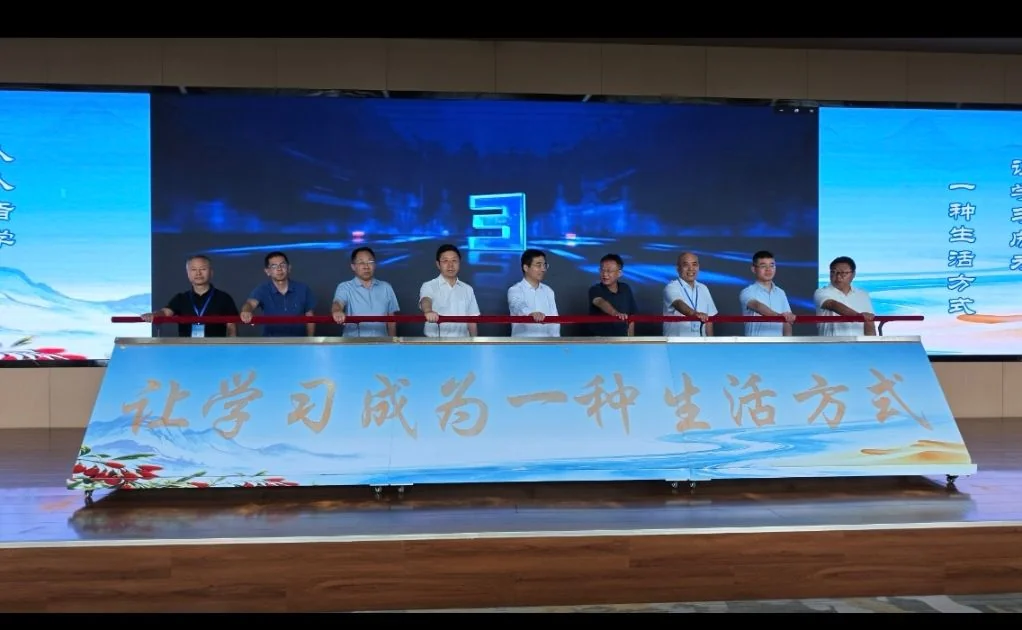
新闻摘要:5月26日,西宁市城西区教育局召开2026年项目式学习阶段研讨交流会,来自高校、省市教研机构的专家与全区15所学校的校长、骨干教师共计百余人参与。会议全面总结了城西区自2024年起分阶段推进项目式学习的经验,展示了从单点试验到全域常态化、体系化发展的显著进展。
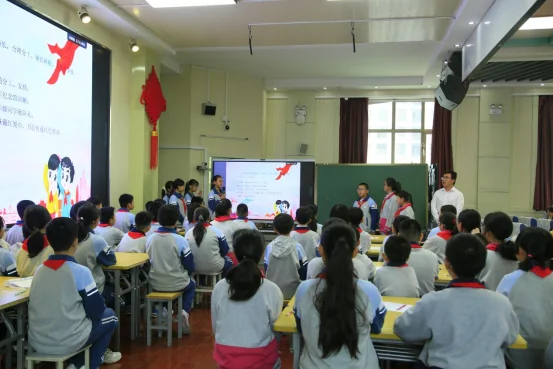
会上,多所学校呈现了落地的项目式课堂成果:古城台小学的思政类结项《红领巾小导师》,新宁路小学的跨学科中期课堂《打造暖心驿站》,以及胜利路小学围绕青藏公路精神的五学科联动结项课。北京师范大学桑国元教授给予肯定并提出进一步挖掘在地资源的建议;城西区表示将借助“昆仑英才”工作室持续强化师资、打磨课例并建设区域项目资源库。
思考与启发:项目式学习把课堂从单向讲授拉回到真实生活与合作实践中,既尊重知识的系统性,也强调动手与沟通。对学生而言,学习不再仅是听讲的接受,而是通过探究、分工与互助把能力一点点打磨出来;对教师而言,是耐心打磨设计与评价的过程。
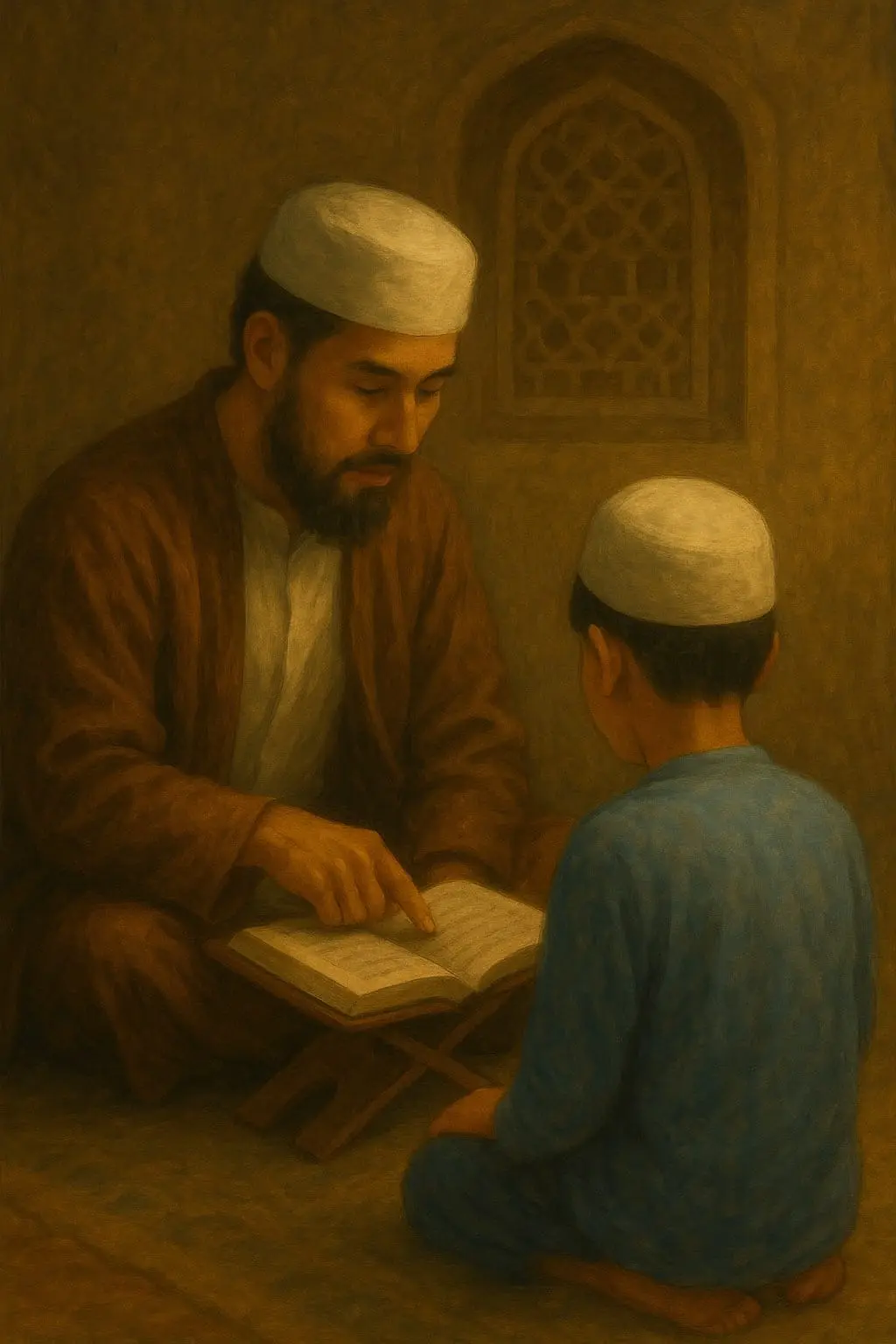
这与天经里一条朴素的教导相呼应:早期的引导与稳步陪伴,比一时的说教更能塑造人的品行与习惯。守望孩子的成长、用勤劳与诚信把课堂扎实做深,才是教育长期见效的路。
经文:教养孩童,使他走当行的道,就是到老他也不偏离。《宰逋尔·箴言 22:6》
链接:📖 查看经文
### English Translation
Title: The Path of Classroom Reform in Chengxi District
News Summary: On May 26, the Chengxi District Education Bureau in Xining held a discussion conference on the 2026 phase of project‑based learning. More than a hundred participants attended, including experts from universities and provincial‑city research institutes, as well as principals and lead teachers from the district’s 15 schools. The meeting gave a full review of Chengxi District’s step‑by‑step rollout of project‑based learning since 2024 and highlighted the remarkable progress from isolated pilots to district‑wide, routine, and systematic practice.
During the conference several schools showcased completed project‑based classroom work:
- Gu Cheng Tai Primary School presented the ideological‑political project “Little Red Scarf Mentors.”
- Xin Ning Road Primary School displayed the interdisciplinary mid‑term classroom “Creating a Warm Service Station.”
- Sheng Li Road Primary School delivered a five‑subject integrated project on the spirit of the Qinghai‑Tibet Highway.
Professor Sang Guoyuan from Beijing Normal University praised the work and suggested digging deeper into local resources. Chengxi District said it will continue to strengthen teacher capacity, refine lesson examples, and build a regional project resource library through the “Kunlun Talent” studio.
Reflection and Insight: Project‑based learning pulls the classroom out of one‑way lecturing and places it back into real life and collaborative practice. It respects the systematic nature of knowledge while stressing hands‑on activity and communication. For students, learning becomes more than passively listening; it is a gradual honing of abilities through inquiry, division of tasks, and mutual help. For teachers, it is a patient process of designing and assessing learning experiences.
This echoes a simple biblical principle: early guidance and steady companionship shape a person’s character and habits far better than momentary preaching. Watching over children’s growth and grounding the classroom in hard work and integrity are the ways education bears fruit over the long term.
Scripture: “Train up a child in the way he should go, and when he is old he will not depart from it.” – Proverbs 22:6
Link: https://www.huizu-tianjing.icu/zaibuer/zhenyan/22
来源:http://qh.xinhuanet.com/20260613/a4ce212d091440a99ea60fca6762bdd5/c.html